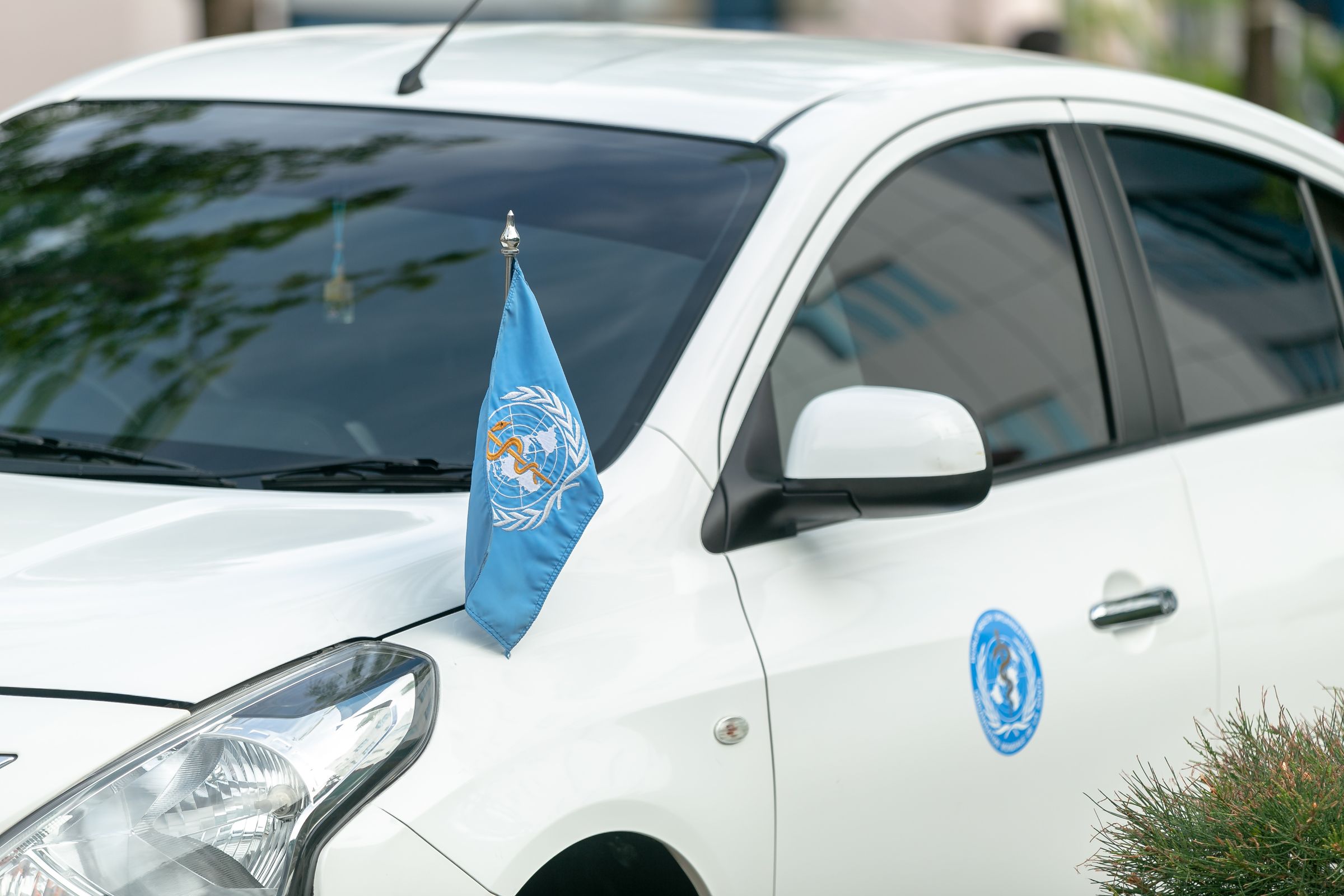
WHO Enlists Five African Nations to Push Health Into COP31 Talks
Five African countries work to embed health services in climate negotiations
Cabo Verde, Côte d’Ivoire, Ghana, Kenya and Zambia are being positioned as the frontline of an effort to carry health priorities into the formal negotiating tracks at COP31 in Antalya, with the World Health Organization pressing the five countries to make health systems part of the climate agenda. The effort is less about rhetoric and more about delivery: who sits at the table, what plans have been costed, and whether financing reaches the services that must keep operating when drought, extreme weather and disease outbreaks arrive.
The implementing work is already visible. Each of the five countries has brought its health and environment ministries together to coordinate national climate negotiating positions, with support from WHO and the African Group of Negotiators. In October and November they held national dialogues to align those positions. Each has also appointed a health focal point to its COP31 delegation, so that health considerations are represented throughout the negotiations rather than only around their edges.
The operational case rests on two numbers. According to WHO, climate-related events accounted for 56% of public health events recorded in the WHO African Region between 2001 and 2021. Yet health receives approximately 2% of adaptation funding and just 0.5% of multilateral climate finance. That gap between exposure and resourcing is what the initiative is designed to close, through stronger health representation in formal negotiations and increased financing for health systems facing climate effects.
Zambia shows what the gap looks like on the ground. In 2023 and 2024, drought and cholera struck simultaneously, contributing to water shortages, rising malnutrition and pressure on health services. Speaking at a national dialogue in Lusaka in October, Zambia’s Health Minister Roma Chilengi said, according to WHO, that the impact of extreme climate on health needs no further debate. Zambia’s Minister of Green Economy and Environment, Gilbert Siame, framed the delivery problem in institutional terms: health cannot be represented at COP only through side events, he said, it must be part of the formal language negotiators speak.
Jeremiah Mushosho, WHO Africa’s team lead for climate change and health, put the test of implementation plainly in a virtual address to the inaugural national dialogue in Lusaka. Climate change adaptation, he said, is judged by what it protects, and nothing shows protection more clearly than lives saved and clinics that stay open during climate disasters and pandemics. Health, he added, provides a clear measure of whether adaptation efforts are delivering results.
By contrast with the shared logic, the country-level delivery plans vary in shape. Ghana has committed to incorporating health into every negotiating track and has completed a costed Health National Adaptation Plan valued at 110.4 million Ghanaian cedis. Côte d’Ivoire is working towards ensuring that 60% of health facilities constructed or rehabilitated by 2035 meet climate-resilient standards, and its health, environment and meteorological authorities have agreed a coordinated approach built on monitoring, early warnings and action. Cabo Verde has called for a negotiating position that protects the most vulnerable populations, while Kenya has agreed national positions covering adaptation, climate finance, Loss and Damage and the just transition. WHO Representative in Kenya Neema Rusibamayila Kimambo urged the country’s health and environment ministries to ensure that Kenya’s leadership in climate and health negotiations translates into meaningful results.
The five countries are now seeking concrete support mechanisms: backing to report on health indicators under the Global Goal on Adaptation, easier access to grant-based financing, and recognition of health-related losses when the costs of climate disasters are assessed. On November 11, African climate negotiators received a briefing under a tripartite agreement involving WHO’s Regional Office for Africa, the Africa Centres for Disease Control and Prevention and Amref Health Africa, in partnership with the African Group of Negotiators. The briefing stressed integrating health into all negotiating tracks and strengthening the case for climate action through its impact on people’s lives and healthcare systems.
Looking past COP31, WHO said the five countries would hold follow-up meetings to assess the summit’s outcomes and prepare for COP32, scheduled for Addis Ababa, Ethiopia, in 2027. The organisation called on the COP31 Presidency and participating countries to reflect health priorities in the conference’s final outcomes, including its cover decision, to establish a platform for continued dialogue on health and climate change, and to support financing for the health adaptation plans African countries have already developed. Stronger financial support, WHO argued, is needed to help African health systems withstand climate-related emergencies, with protecting people’s health treated as a central driver of global climate action. Whether that financing arrives before the next drought or outbreak does may be the real measure of the initiative’s success.
Q&A
Which countries are being positioned to bring health priorities into COP31 negotiations, and who is coordinating the effort?
Cabo Verde, Côte d'Ivoire, Ghana, Kenya and Zambia, with coordination support from the World Health Organization and the African Group of Negotiators, including joint national dialogues held in October and November.
How large is the gap between health's climate exposure and its financing?
According to WHO, climate-related events accounted for 56% of public health events recorded in the WHO African Region between 2001 and 2021, yet health receives roughly 2% of adaptation funding and just 0.5% of multilateral climate finance.
What concrete delivery plans have individual countries put in place?
Ghana has completed a costed Health National Adaptation Plan valued at 110.4 million Ghanaian cedis and committed to including health in every negotiating track; Côte d'Ivoire aims for 60% of health facilities constructed or rehabilitated by 2035 to meet climate-resilient standards; Kenya has agreed national positions on adaptation, climate finance, Loss and Damage and the just transition.
What outcomes is WHO seeking from COP31 and beyond?
WHO wants the COP31 Presidency and participating countries to reflect health priorities in the conference's final outcomes including its cover decision, establish a platform for continued health-climate dialogue, and finance the health adaptation plans African countries have developed, with follow-up meetings planned before COP32 in Addis Ababa, Ethiopia, in 2027.