Ramaphosa pitches R1 trillion delivery plan to Silicon Valley
Trillion-rand infrastructure push tied to power, ports and state capacity reforms
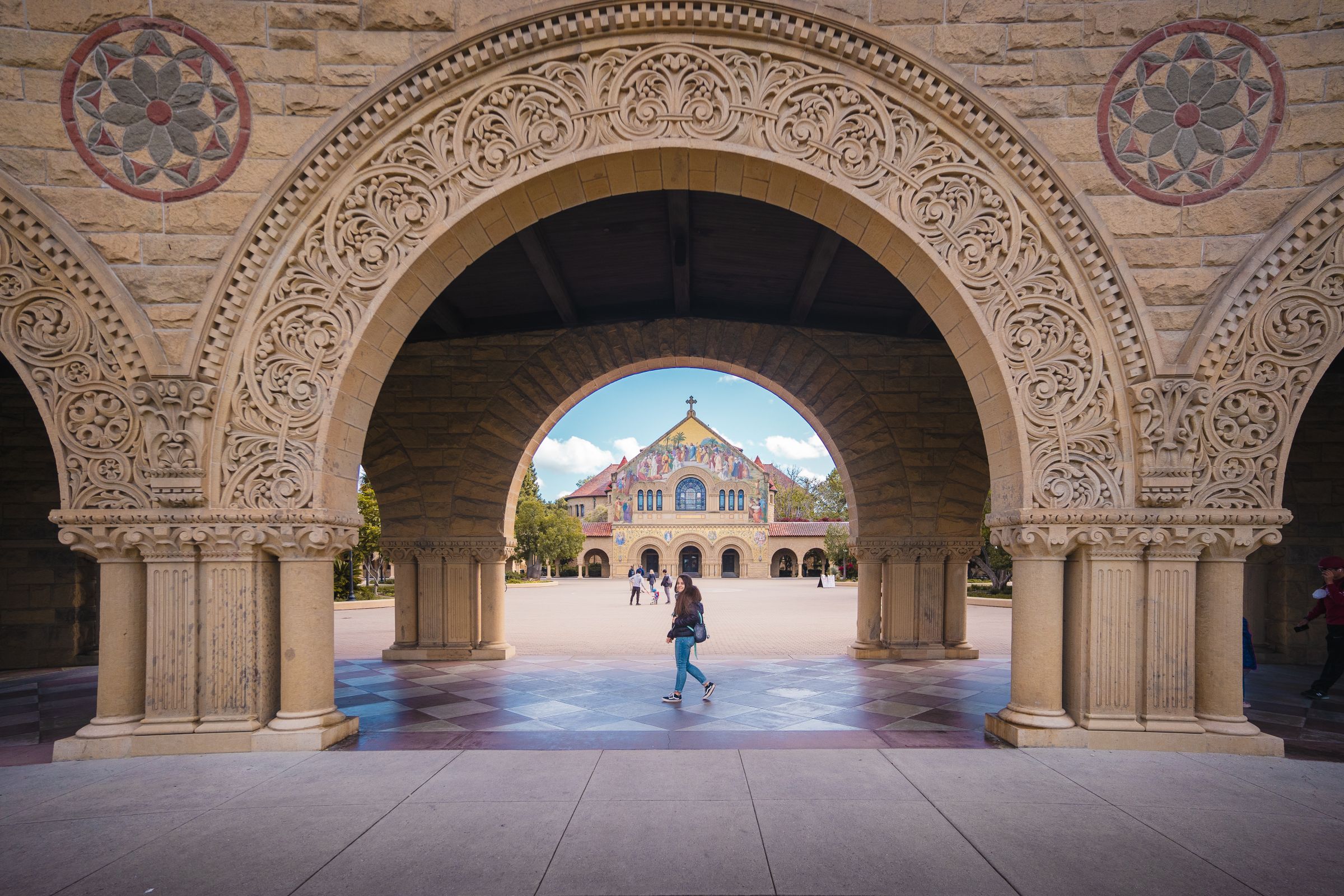
A R1 trillion infrastructure programme over three years, paired with reforms to electricity generation and port logistics, anchored President Cyril Ramaphosa’s pitch to investors at Stanford University in California, where he argued South Africa is now positioned to turn plans into working capacity.
Speaking during a fireside chat with academics, students and members of the university community, the President called the trillion-rand investment the first of its kind in South Africa and described infrastructure as the flywheel that will generate more growth. The programme, he said, is meant to support economic activity, raise productive capacity and create an enabling environment for businesses.
Execution depends on fixing the machinery of delivery itself. “We want to have a capable state that will drive that growth,” he said. Government needs a private sector willing to cooperate, he added, but it also needs to get rid of the bureaucracy that tends to hold back the execution of some of its ambitions. Professionalising the public service so it has the skills to implement policies and deliver services is part of that effort.
The most concrete gains he cited were in electricity. The reform programme is beginning to yield results, particularly in the electricity sector, and collaboration between government, business, labour and other stakeholders had made power generation much more efficient, he said. Work is now under way on reforming the country’s electricity architecture so that generation, transmission and distribution all function well together. Improved energy supply matters especially for energy-intensive industries such as data centres, and international technology companies are already establishing facilities in South Africa while local firms invest in the sector too. The country wants investment that supports broader economic participation, he added, so South Africans benefit from the full value chain of emerging technologies.
Meanwhile, ports, harbours and the broader logistics network are also being worked on, reforms the President described as important for building a foundation for sustainable growth and attracting new investment.
The delivery agenda extends to skills. Ramaphosa said growth ambitions depend on developing a workforce able to support new investments and emerging industries, which is why a significant number of young people were included in the Silicon Valley mission, to gain exposure to global technology developments and learn from leading institutions and businesses. “They are soon going to get into various skilled jobs and establish their own companies,” he said. Government is also emphasising early childhood development and education quality, with the aim that children at four years old should be able to code and be proficient with technology and, more recently, artificial intelligence. This work, he said, is intended to undo the damage done by apartheid, which he said dispossessed people of their assets and imposed Bantu education, or bad education.
All of this sits under a target of 3% economic growth, an ambition he said is shared by government, the private sector and citizens, because growth creates jobs. Government has partnered, and continues to partner, with the private sector to foster and speed up the reforms already under way.
On the investment side, the President said South Africa is repositioning itself as more investor-friendly and opening its doors to investors from across the world, with Silicon Valley a specific target of this visit. Constitutional and institutional foundations, including the independence of the judiciary, Parliament and the central bank, give investors certainty, he stressed.
Looking further ahead, he described a vision of an economy growing at between 5% and 6%, with low poverty and inequality, high employment, a strong technological base and the capacity to generate new technologies. The Silicon Valley visit, he said, is one of the enablers helping South Africa delve into what artificial intelligence is all about so it can contribute to growth, and government intends to build on the opportunities it created through investment, partnerships and practical initiatives. Whether the trillion-rand programme can convert that ambition into delivered capacity on the ground remains the question investors will be watching.
Q&A
What is the scale and purpose of the infrastructure programme Ramaphosa pitched?
A R1 trillion infrastructure programme over three years, described as the first of its kind in South Africa, meant to support economic activity, raise productive capacity and create an enabling environment for businesses.
What delivery-side reforms did Ramaphosa say are needed to execute the plan?
Building a capable state, professionalising the public service so it has the skills to implement policies and deliver services, and removing the bureaucracy that holds back execution, alongside private sector cooperation.
What progress was cited in electricity reform?
Collaboration between government, business, labour and other stakeholders has made power generation much more efficient, and work is under way on reforming the electricity architecture so generation, transmission and distribution function well together.
What other delivery areas besides electricity were highlighted?
Ports, harbours and the broader logistics network are being reformed to build a foundation for sustainable growth, and skills development, including early childhood coding and AI proficiency, is meant to produce a workforce able to support new investments.