Global conflicts hit SA wallets, Ramaphosa tells envoys
Diplomacy framed as a shield for household costs and food security
Wars far from home now shape the price of food, the security of energy and the flow of trade into South African households, and President Cyril Ramaphosa used Friday’s accreditation of new ambassadors to argue that only a rules-based international order can shield ordinary people from those shocks.
Receiving letters of credence from newly accredited heads of mission at the Sefako Makgatho Presidential Guest House in Pretoria, the President said conflicts in the Middle East, Ukraine, Sudan and elsewhere exact an enormous human toll and expose the failure of diplomacy. The consequences reach beyond the battlefield. They disrupt global trade, undermine food and energy security, and place a heavy burden on countries like South Africa.
That burden on citizens framed much of the address. The President told the new heads of mission that they assume their responsibilities at a consequential moment, marked by heightened geopolitical competition, shifting alliances and growing uncertainty about the future of the international order. The multilateral system, particularly the United Nations, is under considerable strain.
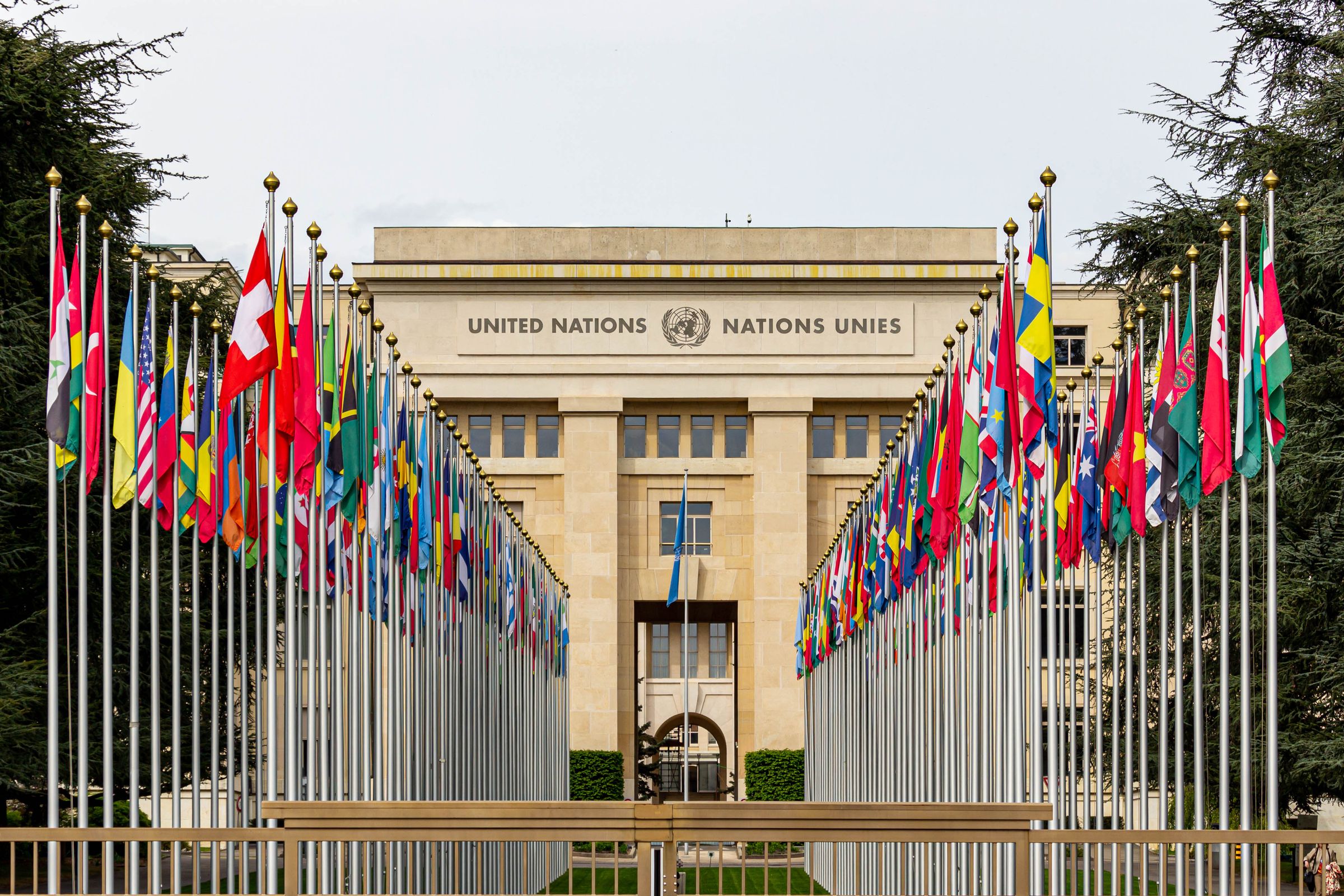
His answer to that strain was clear. The crisis facing multilateralism, he said, calls not for less multilateralism but for better, more representative and more effective multilateralism. International law must apply consistently, without exception or favour, and the principles of the United Nations Charter must be respected by all nations, whatever their economic or military power. A stable international order cannot be built on selective justice, unilateralism or the idea that might makes right.
Governments, on the President’s account, are the duty-bearers here. “We will continue to champion dialogue, the peaceful resolution of disputes, the protection of civilians and respect for human rights,” he said, framing the protection of civilians and human rights as commitments owed to people everywhere rather than bargaining chips between states.
The values behind that stance are anchored in the South African Constitution, which marks its 30th anniversary this year. Human dignity, equality, non-racialism, non-sexism, freedom and justice shape how the country engages with the world. South Africa seeks constructive relations with all countries, whatever their political systems or economic models, guided by mutual respect, equality and the pursuit of shared interests, because the challenges facing humanity require engagement across political, ideological and geographical divides.
Africa remains at the centre of that foreign policy, with direct implications for the region’s citizens. In August, South Africa assumed the Chairpersonship of the Southern African Development Community for 2026 and 2027, with a focus on regional industrialisation, infrastructure development, agricultural transformation and food security. The country is determined to expand the beneficiation of its critical minerals, and the President argued that Africa must move beyond being a supplier of raw materials to become a centre of production, innovation and value addition.
He invited the newly accredited heads of mission to work with South Africa through investment, technology transfer, skills development, infrastructure financing and trade. His vision, he said, is of an Africa that is peaceful, integrated and prosperous.
South Africa’s role on the global stage also featured prominently. As the first African country to hold the G20 Presidency, the country will continue to champion inclusive growth, debt sustainability, climate justice and food security, priorities with a direct bearing on household wellbeing across the continent and beyond.
The President welcomed the new heads of mission, saying their presence affirms the value their governments place on their relations with South Africa, and assured them of the full support and cooperation of the South African Government. South Africa, he said, is a country of remarkable diversity, rich heritage and immense potential.
Whether a strained multilateral system can be reformed in time to protect the world’s most exposed citizens remains, for now, the question hanging over the diplomatic year ahead.
Q&A
How do foreign conflicts affect ordinary South Africans?
The President said conflicts in the Middle East, Ukraine, Sudan and elsewhere disrupt global trade and undermine food and energy security, placing a heavy burden on countries like South Africa and on household costs such as food and energy prices.
What did the President say about the multilateral system?
He said the multilateral system, particularly the United Nations, is under considerable strain, and that the crisis calls not for less multilateralism but for better, more representative and more effective multilateralism, with international law applied consistently and the UN Charter respected by all nations.
What regional priorities did South Africa outline?
Having assumed the SADC Chairpersonship for 2026 and 2027, South Africa will focus on regional industrialisation, infrastructure development, agricultural transformation and food security, and aims to expand beneficiation of its critical minerals so Africa becomes a centre of production, innovation and value addition.
What role will South Africa play on the global stage?
As the first African country to hold the G20 Presidency, South Africa will champion inclusive growth, debt sustainability, climate justice and food security, priorities with a direct bearing on household wellbeing across the continent and beyond.