Voters Want Basics, Not Politics, New Councillors Told
Ramaphosa urges new municipal councillors to focus on everyday services residents rely on
For millions of South Africans, the ballots cast in the 2026 Local Government Elections were less about politics than about the basics of daily life: water that flows, electricity that stays on, neighbourhoods that feel safe. That expectation now sits squarely with the men and women elected to municipal councils. President Cyril Ramaphosa has told them exactly what voters will be watching for.
In his weekly newsletter to the nation on Monday, issued a day after the Electoral Commission of South Africa announced the results on Sunday, the President said newly elected councillors must prove themselves worthy of the trust placed in them. “Those who have been elected to councils now need to prove themselves worthy of the trust placed in them by the South African people,” he said.
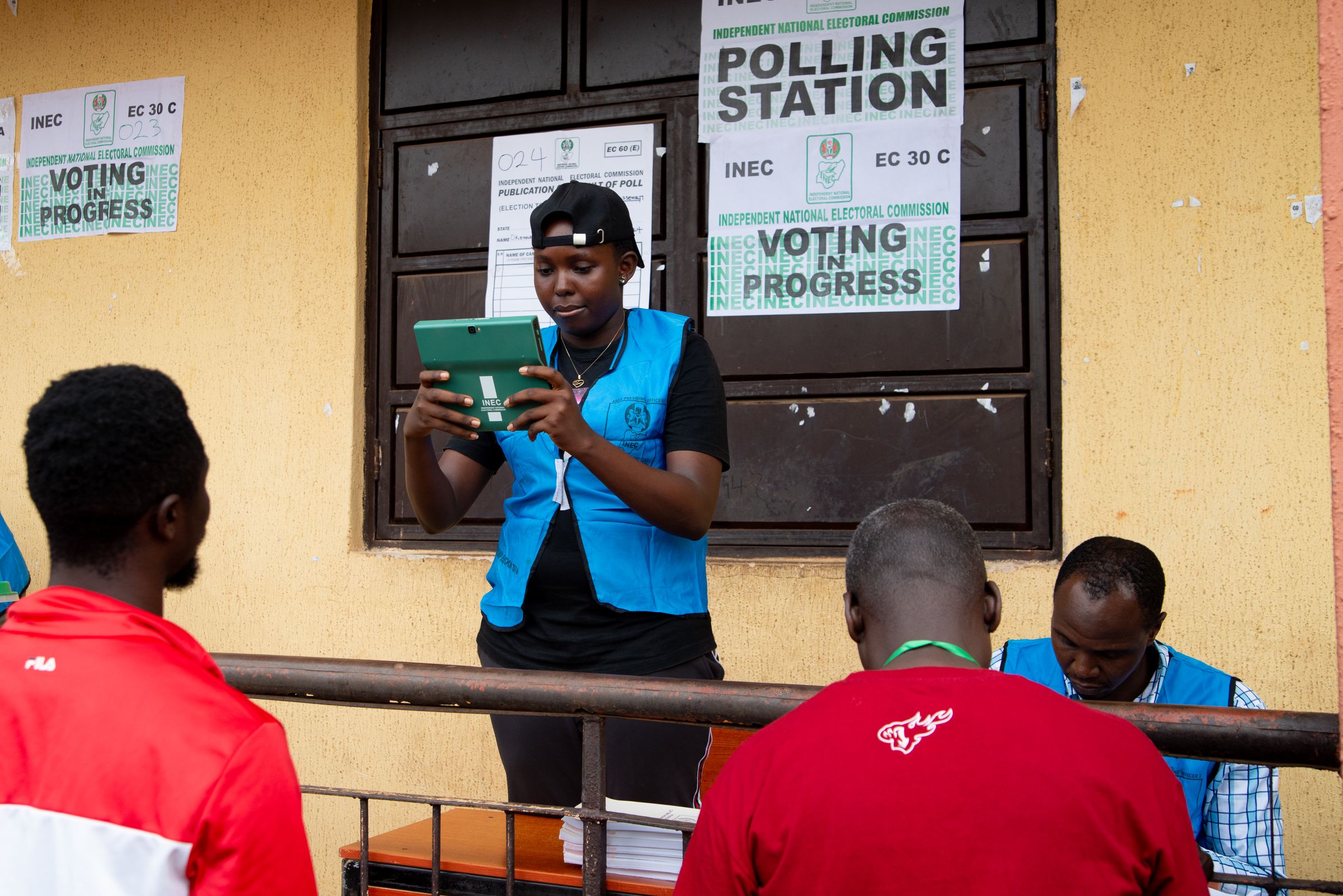
The scale of that trust is considerable. More than 15 million South Africans turned out to vote, choosing from over 540 political parties and close to 137 000 candidates contesting positions in municipal councils. The improved turnout and the sheer number of parties and candidates, Ramaphosa said, showed that the country’s democracy remained active and vibrant.
For residents, though, the measure of success will not be turnout figures. It will be the everyday services municipalities provide. The election demonstrated that South Africans expect their municipalities to respond to their everyday needs, he said, including access to employment and economic opportunities, reliable and affordable water and electricity, well-maintained public spaces and safer neighbourhoods. “Through this election, the South African people are demanding that those entrusted with public service fulfil their responsibilities,” he said.
What comes next must centre on communities. Ramaphosa stressed that incoming councillors are expected to play an important role in improving the functioning of municipalities and strengthening service delivery. “We need to make local government an engine room of service delivery, a driver of development and a creator of opportunity,” he said. That, he added, requires councillors who put communities first, listen and respond to residents, and carry out their responsibilities with humility.
Getting there depends, in part, on how political parties conduct themselves in the days ahead. The President called on parties to cooperate in good faith during the process of electing office-bearers so that councils can be constituted and begin their work. “In the interests of effective, accountable local government, those who have been elected must work to find common ground from the very outset, regardless of their political differences,” he said.
The incoming councillors will also carry a longer-term responsibility. Ramaphosa said they would have an important role in reshaping local government, guided by the recommendations of the revised White Paper on Local Government, which sets out measures to improve municipal financial management, direct more funding towards infrastructure maintenance, and ensure that services reach residents reliably.
Meanwhile, the President paused to thank those who made the election itself run smoothly. He congratulated the IEC for conducting the polls professionally, and thanked the police, the defence force and other government officials for ensuring that voting proceeded securely. He also commended the political parties and candidates who campaigned responsibly.
The moment carries a wider significance. The country is marking 30 years since the Constitution was signed into law, establishing South Africa as a multi-party democracy. At a time when democracy is being tested in several countries, the recent elections demonstrated that the foundations of South Africa’s constitutional democracy remain sound.
For the residents who queued to vote, the message was ultimately a simple one, directed at the country as a whole. “It is up to all of us to ensure that democracy delivers for every South African and that local government works better for all,” the President said.
Q&A
What did President Cyril Ramaphosa say newly elected councillors must do?
He said those elected to councils must prove themselves worthy of the trust placed in them by the South African people, put communities first, listen and respond to residents, and carry out their responsibilities with humility.
What do residents expect from their municipalities after the election?
Residents expect municipalities to respond to everyday needs, including access to employment and economic opportunities, reliable and affordable water and electricity, well-maintained public spaces, and safer neighbourhoods.
How many people voted and how many parties and candidates contested?
More than 15 million South Africans turned out to vote, choosing from over 540 political parties and close to 137 000 candidates contesting municipal council positions.
What longer-term responsibility do incoming councillors carry?
They will play an important role in reshaping local government, guided by the recommendations of the revised White Paper on Local Government, which sets out measures to improve municipal financial management, direct more funding towards infrastructure maintenance, and ensure services reach residents reliably.