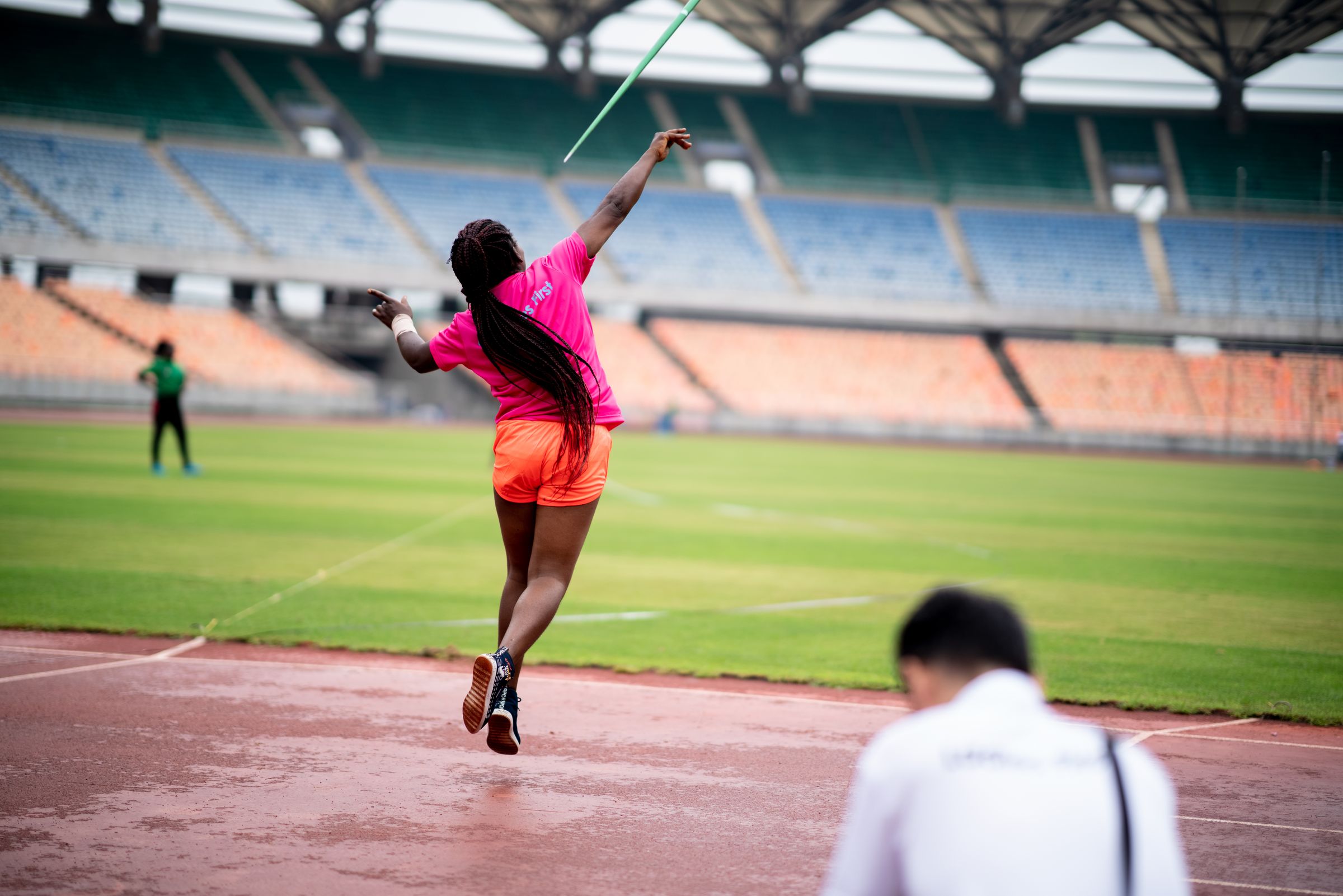
SA Athletics Faces Global Ban as Reform Clock Ticks
Financial instability threatens South African athletic presence on the global stage
South African athletics is now carrying a six-month deadline that could end its presence on the world stage, and the financial stakes behind that deadline are considerable. World Athletics has issued a final reform mandate to Athletics South Africa, giving the federation until early 2027 to adopt a revised constitution and hold fresh elections, with a total international ban on the table if it fails. The global governing body has appointed eSwatini Athletics president and Confederation of African Athletics vice-president Zakhele Dlamini to oversee its directives.
The trigger was money. A forensic report by Forvis Mazars, dated 6 October 2026, confirmed hundreds of thousands of rands in unauthorized credit card transactions and recommended that suspended ASA president James Moloi be fired. He remains suspended rather than removed, and ASA has taken no action against him since. That inaction is what placed the federation on notice. Failure to comply within the prescribed period would see the matter referred to the World Athletics Council for consideration of sanctions under Article 13, which may include provisional suspension of ASA’s membership, subject to applicable constitutional grounds, procedures and ASA’s right to respond.
The commercial and funding consequences of such a suspension would be severe. South African athletes preparing for the 2028 Olympic Games in Los Angeles would be greatly affected, and in a worst-case scenario SASCOC would be required to suspend ASA as well. For a federation whose sport has contributed the bulk of the country’s 95 Olympic and 416 Commonwealth Games medals, the reputational capital at risk is matched by the operational risk to every funding stream that flows through international membership.
The Moloi affair did not arrive without warning. Between June and October 2025, he came under fire during a parliamentary briefing, where allegations surfaced that he misled Parliament over the personal misuse of corporate credit cards, funded personal trips for acquaintances with ASA money, and presided over severe governance breakdowns. In March 2026, Parliament’s Portfolio Committee on Sport, Arts and Culture declared ASA “on the verge of collapse” due to a lack of structural financial controls, with MPs collectively demanding the immediate dissolution of the entire board after winners of marquee events such as the Mpumalanga Marathon were left completely unpaid. A month later, World Athletics issued a three-month warning to SASCOC and ASA over systemic political interference and administrative dysfunction. ASA’s own disciplinary panel earlier this month found Moloi guilty of misuse of funds and recommended his removal.
This is not an isolated episode but a pattern with a long financial ledger. From 2009, when then president Leonard Chuene was fired and his entire executive board suspended after the crisis around Caster Semenya at the Berlin World Champs, to a 2011 forensic report that uncovered financial misconduct, tax evasion and fraud, leaving a mere R2000 in ASA’s bank account, the federation’s boardrooms have repeatedly turned into battlegrounds over financial misconduct, political interference and the exploitation of athletes. In 2013, a power struggle between James Evans and athlete Hendrick Ramaala led SASCOC to stop athletes competing at the Commonwealth Youth Games, Commonwealth Games, Anoca Youth Games, Zone VI games, All Africa Games, Olympic Youth Games and the Olympic Games, and cost the sport its place in the Operation Excellence funding and support programme. In 2014, World Athletics intervened again, forcing elections that brought in Aleck Skhosana, who after years of interim administrators turned the tide. By 2026, the so-called credit-card at shebeen-gate has brought the cycle full circle.
Meanwhile, the trouble extends well beyond athletics, and much of it is financial. In August, World Aquatics provisionally suspended Swimming South Africa president Alan Fritz and chief executive officer Shaun Adriaanse over potential violations of the World Aquatics Integrity Code, including abuse of power and the provision of false information and fake documents. Fritz has served on the federation’s executive since 2004; Adriaanse has been CEO for more than 20 years. Swim SA withheld $35,000 of Olympic champion Tatjana Smith’s prize money from the World Aquatics Championships for a year, saying she wore a personal sponsor’s costume from Speedo instead of the federation’s sponsor, Arena. After legal demands and parliamentary scrutiny, the federation apologised and paid the prize money plus R75,000 in interest, having previously claimed the interest was a “management fee”. It now faces a R7.2-million lawsuit threat from artistic swimmers Laura Strugnell and Jessica Hayes-Hill over sanctions and a disciplinary process, alongside ongoing friction with Water Polo South Africa.
Also under scrutiny is a Special Investigating Unit probe into the corrupt allocation and abandonment of a high-performance training centre in Franschhoek. More than R50 million in funding from World Aquatics, the National Lotteries Commission and the Sports Trust went into a project that stalled into a vandalized site with sewage-filled pools. Karate South Africa, meanwhile, provisionally suspended president Sonny Pillay and executives Malefetsane Hoaeane and Lucinda Roetz in late June 2026; the trio’s urgent September challenge in the South Gauteng High Court was dismissed for lacking jurisdiction over the Spain-based World Karate Federation.
At the centre sits SASCOC, itself in the same boat. As far back as the 2018 Judge Ralph Zulman report, internal factionalism, legal battles among leadership and governance breakdowns were identified as systemic handicaps, and little appears to have changed. While SASCOC has suspended non-compliant federations including Chess SA, SA Korfball, Powerboat Racing SA, Basketball and Karate over missing safeguarding policies and misaligned constitutions, it has drawn heavy criticism in Parliament and from the Department of Sport, Arts and Culture for sluggish oversight of troubled member codes such as SAFA, ASA, Netball, Chess and Swimming. It reported a R25.67-million deficit for the financial year ending March 2026, and in September 2026 suspended president Barry Hendricks following an independent investigation by retired Judge Basheer Waglay that found evidence of serious breaches of the safeguarding policy and Code Handbook, including being drunk on international trips on the organisation’s account. First vice president Lwandile Simelane is acting president.
For investors, funders and sponsors of South African sport, the message from the international federations is blunt: governance failures now carry direct financial and competitive consequences, and the clock on athletics is running.
Q&A
What is the deadline for Athletics South Africa to comply with World Athletics' reform mandate?
The federation has until early 2027 to adopt a revised constitution and hold fresh elections.
What was the primary financial trigger for the sanctions against Athletics South Africa?
A forensic report confirmed hundreds of thousands of rands in unauthorized credit card transactions and the inaction regarding the suspended ASA president.
How much funding was involved in the stalled high-performance training centre project in Franschhoek?
More than R50 million in funding from World Aquatics, the National Lotteries Commission, and the Sports Trust went into the project.
What was the reported financial deficit for SASCOC for the financial year ending March 2026?
SASCOC reported a R25.67-million deficit.