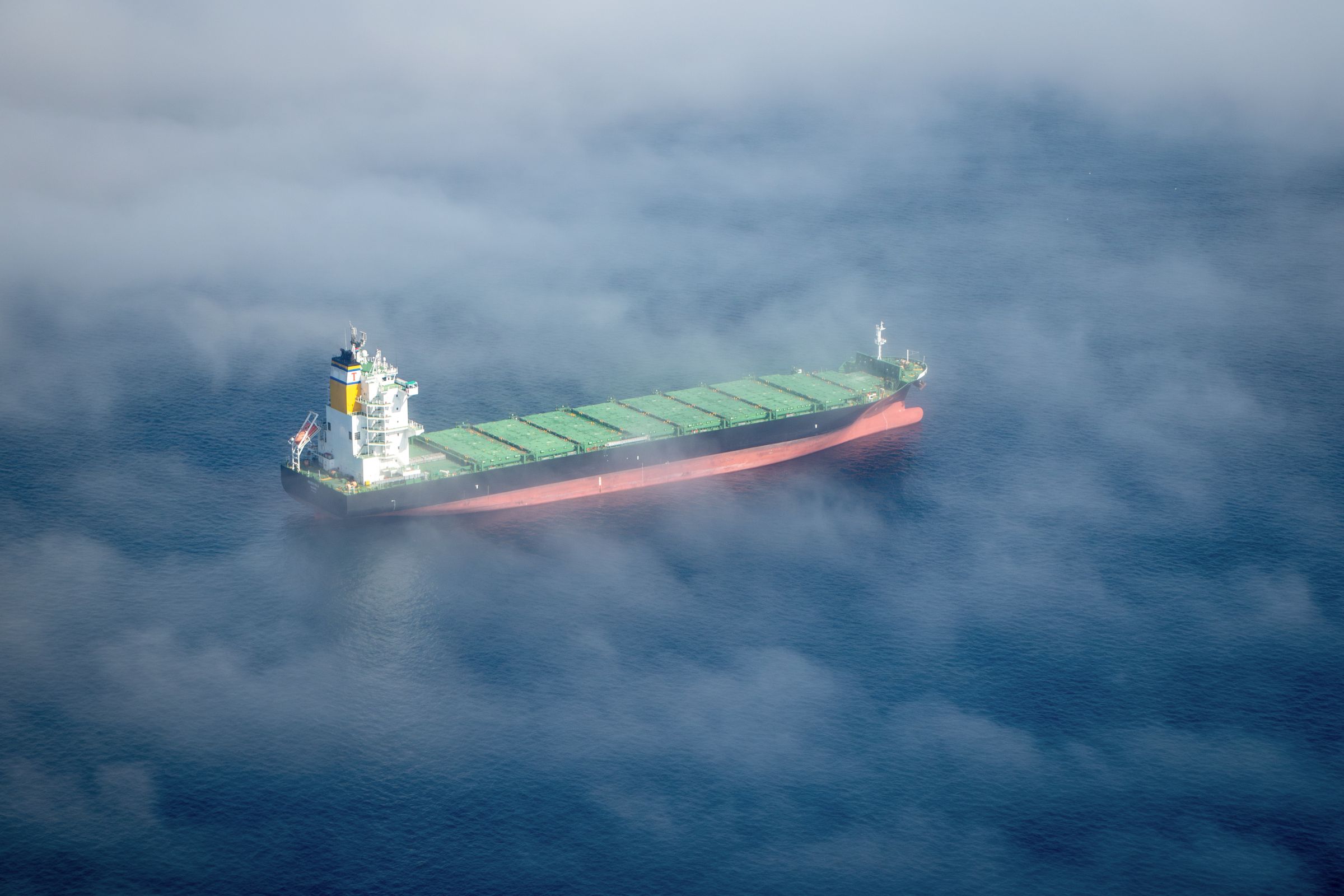
Western Cape exports to US plunge 41%, R6.9bn gone
Tariffs and AGOA exit force exporters to pivot toward Asia, Africa and Canada
South Africa’s export economy is being repriced, and the numbers tell the story. Western Cape exports to the US collapsed by 41% in the latest 12-month rolling comparison, falling from R16,89 billion between August 2024 and July 2025 to R10,02 billion between August 2025 and July 2026. That decline, flagged by Exporters Western Cape in an open letter to President Cyril Ramaphosa, frames the commercial stakes as the country prepares to lose preferential access to the American market under the African Growth and Opportunity Act (AGOA) from 1 January 2027.
The capital exposure is significant. An estimated 35,000 Western Cape jobs are tied to exports bound for the US, and the impact stretches across a broad range of revenue-generating sectors, from fruit juice and wine production to yacht manufacturing. Local businesses, the exporters’ letter noted, are already under pressure.
Tariffs are compounding the squeeze. The US tariff rose to 15,9% from the 12,5% implemented on 24 July 2026, adding further cost pressure on exporters and their margins. Yet the Agricultural Business Chamber of South Africa (Agbiz) argues the hit, while painful, need not be fatal to the sector’s viability. Chief economist Wandile Sihlobo, writing in a recent blog post, said the country had competed through worse. In 2025, the farming sector faced tariffs of around 30% and still kept exports to the US relatively strong, totalling $504 million, down just 3% from the previous year.
For investors and operators, the more consequential story is the diversification playbook already in motion. Government, trade development agencies and organised business have been working for some time to expand access to alternative markets, meaning the AGOA exclusion does not arrive without preparation.
Wesgro, the Western Cape’s trade and investment promotion agency, said in its latest annual report that it has been developing markets in Asia, the Middle East and Africa while maintaining trade links with established markets in Europe, the UK and the US. Its international programme has been extensive: 16 trade missions to Europe, eight to the US, three to Canada and 14 across Africa. The European missions alone gave 76 Western Cape exporters exposure to international markets.
The agency has also invested in matchmaking infrastructure. Its Made in the Cape Hosted Buyers’ Programme connected 34 buyers from 17 countries with 200 exporters through more than 400 business-to-business meetings. The Cape Trade Portal, a free virtual marketplace and matchmaking platform, links international buyers with verified exporters and suppliers in Cape Town and the wider province.
The returns on that effort are starting to show. In October, Western Cape Premier Alan Winde reported that citrus volumes to Africa had increased by 40%, while volumes to Asia were up 21%. For a province whose agricultural exporters face rising US tariff costs, those growth rates point to where future revenue is being built.
North America beyond the United States offers a further avenue. Wesgro supported 15 Western Cape food and beverage exporters in exhibiting at the Grocery Innovation Canada trade show through its missions, while the SAT North American Roadshow showcased the province’s tourism offering and Air Access advanced route-development discussions with Air Canada.
The vehicle manufacturing sector illustrates both the cost of US tariff policy and the offsetting gains elsewhere. Vehicle exports to North America fell from 25,554 in 2024 to 6,530 in 2025 after the introduction of US tariffs. But the recovery is visible in the quarterly data: exports rose from 1,562 in the second quarter of 2025 to 3,086 in the second quarter of 2026. Naamsa noted that exports to Canada and Mexico increased during the quarter even as US automotive tariffs imposed in 2025 continued to weigh on the overall total.
The long-term investment case rests on whether this diversification holds. A change in the US administration after the 2028 presidential election could open the door to South Africa seeking reconsideration of its AGOA eligibility, an outcome that is far from guaranteed but cannot be ruled out. If preferential access were restored, the country would be in a stronger position than it is today: renewed entry to the US market layered on top of the additional trade relationships built across Asia, Africa, the Middle East, Canada and beyond. For exporters and their backers, that combination is the hedge that turns a potential shock into a manageable transition.
Q&A
How much did Western Cape exports to the US decline and over what period?
They fell 41%, from R16,89 billion between August 2024 and July 2025 to R10,02 billion between August 2025 and July 2026, according to figures flagged by Exporters Western Cape.
What tariff changes are affecting exporters?
The US tariff rose to 15,9% from the 12,5% implemented on 24 July 2026, adding cost pressure on exporters and their margins.
What diversification efforts are underway?
Wesgro ran 16 trade missions to Europe, eight to the US, three to Canada and 14 across Africa, connected 34 buyers from 17 countries with 200 exporters through more than 400 business-to-business meetings, and operates the Cape Trade Portal matchmaking platform.
How did vehicle exports perform?
Vehicle exports to North America fell from 25,554 in 2024 to 6,530 in 2025 after US tariffs, but recovered from 1,562 in Q2 2025 to 3,086 in Q2 2026, with Naamsa noting increased exports to Canada and Mexico.