Your Vote, Your Water: SA Polls Set for 4 November 2026
South Africans prepare to choose the councils that run their daily services
For millions of South Africans, the first weeks of November 2026 will be about something deeply personal: the chance to decide who fixes the water pipes, the roads and the sanitation systems in the places they call home. The 2026 Local Government Elections take place on Wednesday, 4 November 2026, and for every eligible voter, the mark made on a ballot paper, however small, is a direct contribution to the government sphere closest to daily life.
That closeness is what makes local elections matter in a way residents feel immediately. Municipalities are responsible for the services that touch households every day. Voting allows communities to influence service-delivery priorities, evaluate performance and choose representatives who understand local realities and can respond to societal concerns.
Preparation, though, starts well before Election Day. Citizens should confirm that their registration details are correct and check their ward and voting station, because municipal elections require people to vote where they are registered. These checks can be done through the IEC website (https://www.elections.org.za/pw/) or by calling the IEC on 0800 11 8000. Voters can also SMS their 13-digit identity number to 32810 or WhatsApp “Hi” to 060 088 0000 for assistance. Official election information, including registration, voting-station, candidate and process details, comes from the Electoral Commission of South Africa (IEC).
Voters whose special vote applications have been approved will cast their ballots on Monday 2 November and Tuesday 3 November 2026. Everyone else votes on Election Day. Wednesday 4 November has been declared a public holiday so that every voter has the opportunity to make their mark.
Meanwhile, for those still sorting out their identity documents, Home Affairs offices have extended their hours to help. Offices will be open from 8 am to 6 pm on 2 and 3 November 2026, and from 7 am to 9 pm on 4 November 2026, aligning with IEC operational hours, so citizens can collect or apply for identity documents or obtain Temporary Identity Certificates where applicable. On voting day, an acceptable identity document is required, whether a smart ID card, green barcoded ID book or valid temporary identity certificate.
Choosing how to vote also means choosing how to think. A campaign slogan is not a service-delivery plan, and an ambitious promise is not necessarily a performance record. Voters are encouraged to weigh what municipalities have delivered, how public funds have been managed and whether commitments are realistic, and to consider whether candidates have the integrity, competence and community connection required to serve. Reliable information is readily available: municipal budget, revenue and expenditure information from the National Treasury shows how money has been allocated and spent, while audit outcomes from the Auditor-General of South Africa reveal financial-management strengths, compliance failures and recurring weaknesses. Records from the Parliamentary Monitoring Group offer insight into government responses, oversight and the responsibilities shared across the spheres of government, and independent civic tools can help voters compare manifestos, candidates, service-delivery records, coalition positions and promises against constitutional and municipal mandates.
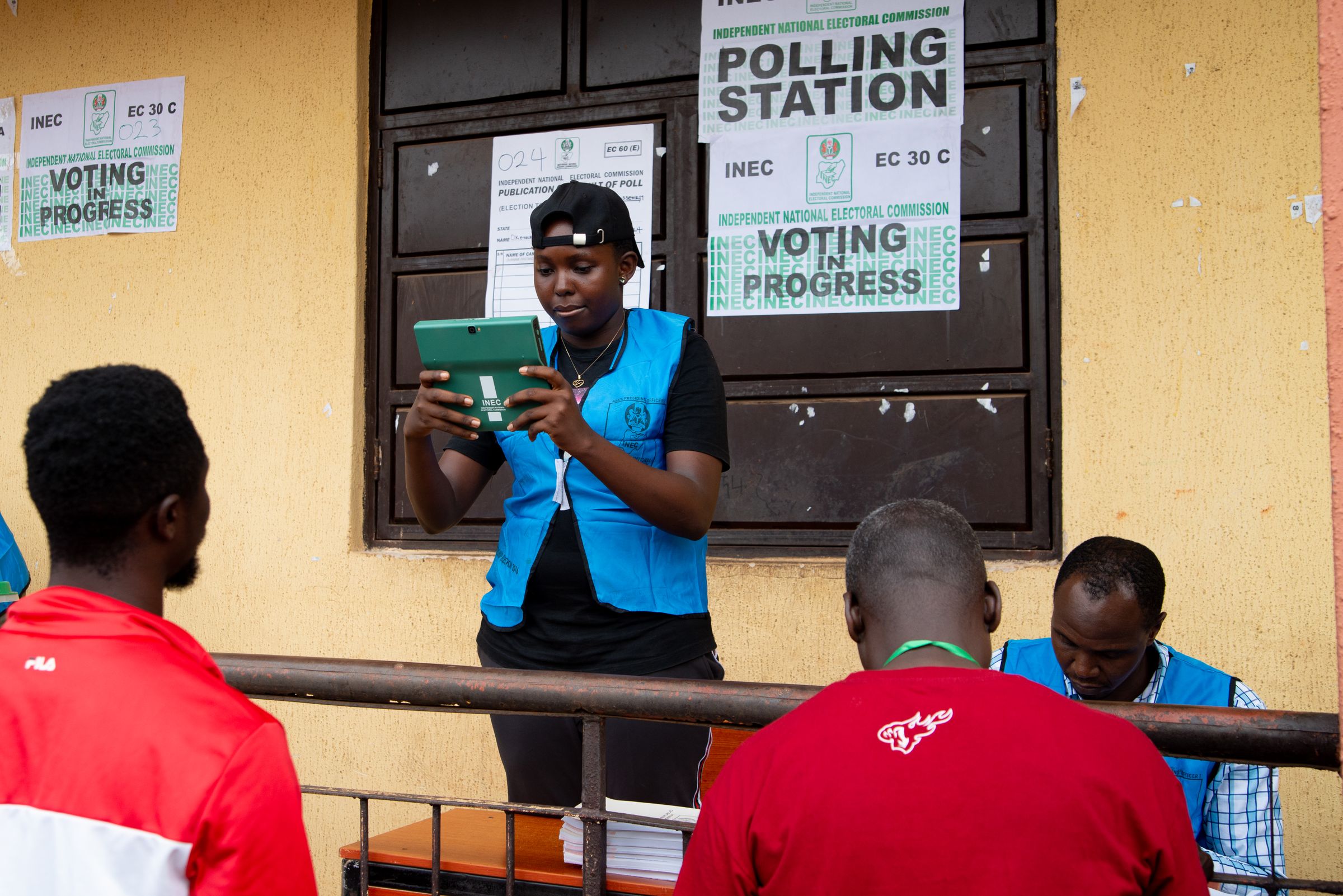
On the day itself, voters are advised to queue early and carry water and a hat to manage rising temperatures. At the voting station, officials will verify each voter’s identity against the voters’ roll and mark a thumbnail with indelible ink, a simple safeguard against anyone voting more than once. Voters in metropolitan municipalities receive a ward ballot and a proportional representation ballot, while those in local municipalities receive an additional district proportional representation ballot.
Voters with disabilities, including those who are blind or visually impaired, may be assisted by a person of their choice, provided that person is 18 years or older and is not a candidate or party agent. A voter without a companion who requests help may be assisted by the presiding officer in the presence of at least two accredited political agents, a measure intended to safeguard the integrity, dignity and independence of the process.
Inside the booth, each voter makes one clear cross next to their chosen candidate or party, free from pressure or intimidation. Signatures or unnecessary marks can result in a ballot being rejected, and a voter who makes a mistake may return the ballot to the presiding officer for assistance before it reaches the ballot box. Folding completed ballots and refraining from photographing them protects both individual choice and the credibility of the process; the secrecy of the ballot is a hard-won cornerstone of democracy.
Safety on the day will be supported by police visibility, crime-prevention measures and public-order policing under the National Integrated Security Plan for the 2026 local elections, coordinated through the National Joint Operational and Intelligence Structure (NATJOINTS). Citizens and candidates are reminded to refrain from campaigning within voting-station boundaries, and any act of intimidation, coercion, disruption or violence will face the full force of the law.
Active citizenship does not begin and end at the ballot box, but Election Day is the moment when scrutiny, discussion and hope become a clear democratic choice. The power to make a difference, for a street, a ward, a municipality and a shared future, is in voters’ hands.
William Baloyi is the Deputy Government Spokesperson. Further official information is available at https://www.sanews.gov.za/south-africa/ready-vote-preparing-2026-local-government-elections.
Q&A
When do the 2026 Local Government Elections take place?
Voting happens on Wednesday, 4 November 2026, a declared public holiday. Voters with approved special vote applications cast their ballots earlier, on Monday 2 and Tuesday 3 November 2026.
How can voters check their registration details and voting station?
Through the IEC website (https://www.elections.org.za/pw/), by calling 0800 11 8000, by SMSing their 13-digit identity number to 32810, or by WhatsApping 'Hi' to 060 088 0000.
What identity documents are accepted at the voting station?
A smart ID card, a green barcoded ID book, or a valid temporary identity certificate. Home Affairs offices have extended hours on 2, 3 and 4 November 2026 to help citizens collect or apply for these documents.
What help is available for voters with disabilities?
Voters with disabilities, including those who are blind or visually impaired, may be assisted by a person of their choice who is 18 or older and not a candidate or party agent. A voter without a companion may be assisted by the presiding officer in the presence of at least two accredited political agents.