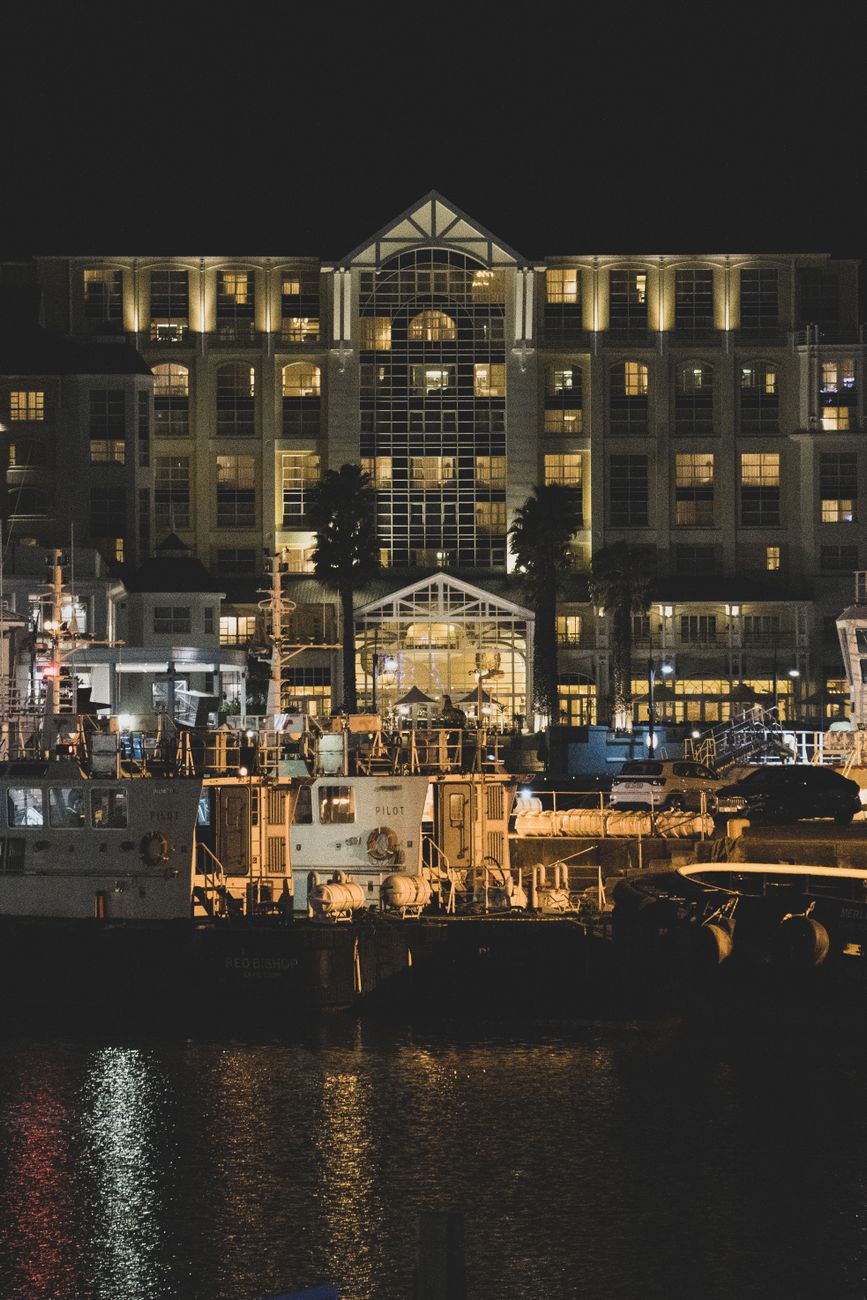
Luxury Hotel Redevelopment Bets Big on Cape Town
Capital flows into South African hospitality, from Table Bay to Kruger
A multimillion-dollar redevelopment of Cape Town’s InterContinental Table Bay signals continued investor confidence in South Africa’s high-end hospitality market, and a new journey through the country’s lodges, estates and game reserves shows where capital, heritage and conservation intersect across the Western Cape and the Greater Kruger region.
The route begins in Durban with a Zulu cultural immersion experience, visiting reconstructed traditional homesteads and stepping inside the home of a sangoma, a traditional healer, where ancestral knowledge and its continuing role in contemporary South African life are discussed. From there the itinerary moves to Cape Town, a city framed by mountains and ocean, where the Table Bay offers front-row seats to the coastline. The landmark hotel, inaugurated in May 1997 by former South African president Nelson Mandela, has been reimagined for today’s luxury traveller. Rooms are spacious and beautifully appointed, and it is the warmth of the staff that lingers most.
An hour’s drive from the capital, the Cape Winelands unfold in a patchwork of vineyards, mountain ranges and historic towns, home to some of the world’s most celebrated wine estates. In Stellenbosch, the Lanzerac Hotel & Spa sits at the end of an imposing, tree-lined driveway. The estate dates back to 1692 and carries centuries of winemaking history, but its commercial claim to fame is singular: it released the world’s first bottled Pinotage in 1961. Each room is distinct, blending heritage with contemporary design through antique furniture and art from an extensive private collection, alongside heated flooring and a deep Victorian bathtub. Dining at the Manor Kitchen celebrates local ingredients, with dishes such as shellfish risotto with tomato bisque and ginger-coconut foam, and shiitake-crusted springbok. Wine tastings cover pinotage, sauvignon blanc and chardonnay, each a distinct expression of the region’s celebrated terroir.
Farther afield, the family-owned Bushmans Kloof lodge and wilderness reserve, cradled by the rugged Cederberg Mountains, demonstrates how conservation and luxury travel can operate as complementary business models. At 7500 hectares, the reserve holds an extraordinary concentration of biodiversity and is increasingly held up as a model for conservation-minded tourism. Iron-oxide sandstone has been sculpted over millions of years into finger-like rock towers and dramatic overhangs, and hidden among the sandstone shelters are more than 135 documented San rock art sites, offering a rare glimpse into ceremonies, rituals and daily life dating back thousands of years. The reserve is home to hartebeest, springbok, ostriches and Cape mountain zebras; although predators are absent from this part of South Africa, the springbok remain skittish, breaking into their trademark “pronking” whenever a safari vehicle turns towards them.
Guest operations at Bushmans Kloof are meticulous. Rooms come with a fireplace, crisp cotton bed linen and a robe and slippers laid out by a housekeeping team that services rooms three times a day, somehow undetected. The spa is the real draw, with treatments drawing on ancient African traditions and an exclusive product line formulated with native African plant extracts such as baobab tree oil, mafura butter, Cape aloe and rooibos. A 90-minute massage using aromatherapy oils and perfectly heated volcanic stones seeks out knots tenaciously; by the end, years of shoulder tension seem to have surrendered.
The final stop is Kapama Private Game Reserve in the Greater Kruger region, where pre-dawn game drives yield immediate sightings: baboons scrambling up a tree, an elephant plodding along the road, vultures perched on gnarled branches, and, by evening, an unnervingly close encounter with a male lion, his mane streaked with blood. Ranger Edwin and wildlife tracker Humphrey read paw prints, tracks and even dung to piece together clues towards elusive species. Kapama’s newly refurbished Tamboti Superior Suites at River Lodge blend taupes, walnut tones and elephant-grey walls with sandstone and granite textures, while the Wellness Centre offers a Rasul treatment combining steam and mineral-rich mud overlooking a watering hole where hippos wallow. Evenings end at the Boma dining area with long dinners inspired by African culinary traditions. Edwin has been at Kapama for nearly 14 years, and his encyclopedic knowledge adds a final layer to the experience.
For travellers weighing the country’s offer, the cumulative effect is the point: wildlife, wine, scenery, culture and wellness woven together. For more inspiration, see https://www.marieclaire.com.au/life/travel/south-africa-getaway/. Before leaving, many guests, this one included, are already planning a return.
Q&A
What does the InterContinental Table Bay redevelopment signal about South Africa's luxury hospitality market?
It signals continued investor confidence in South Africa's high-end hospitality market.
When was the Table Bay hotel inaugurated and by whom?
It was inaugurated in May 1997 by former South African president Nelson Mandela.
What is Lanzerac's notable commercial claim to fame?
It released the world's first bottled Pinotage in 1961.
How large is Bushmans Kloof and why is it considered a model for conservation-minded tourism?
It is a 7500-hectare reserve in the Cederberg Mountains with rich biodiversity and more than 135 documented San rock art sites, increasingly held up as a model for conservation-minded tourism.