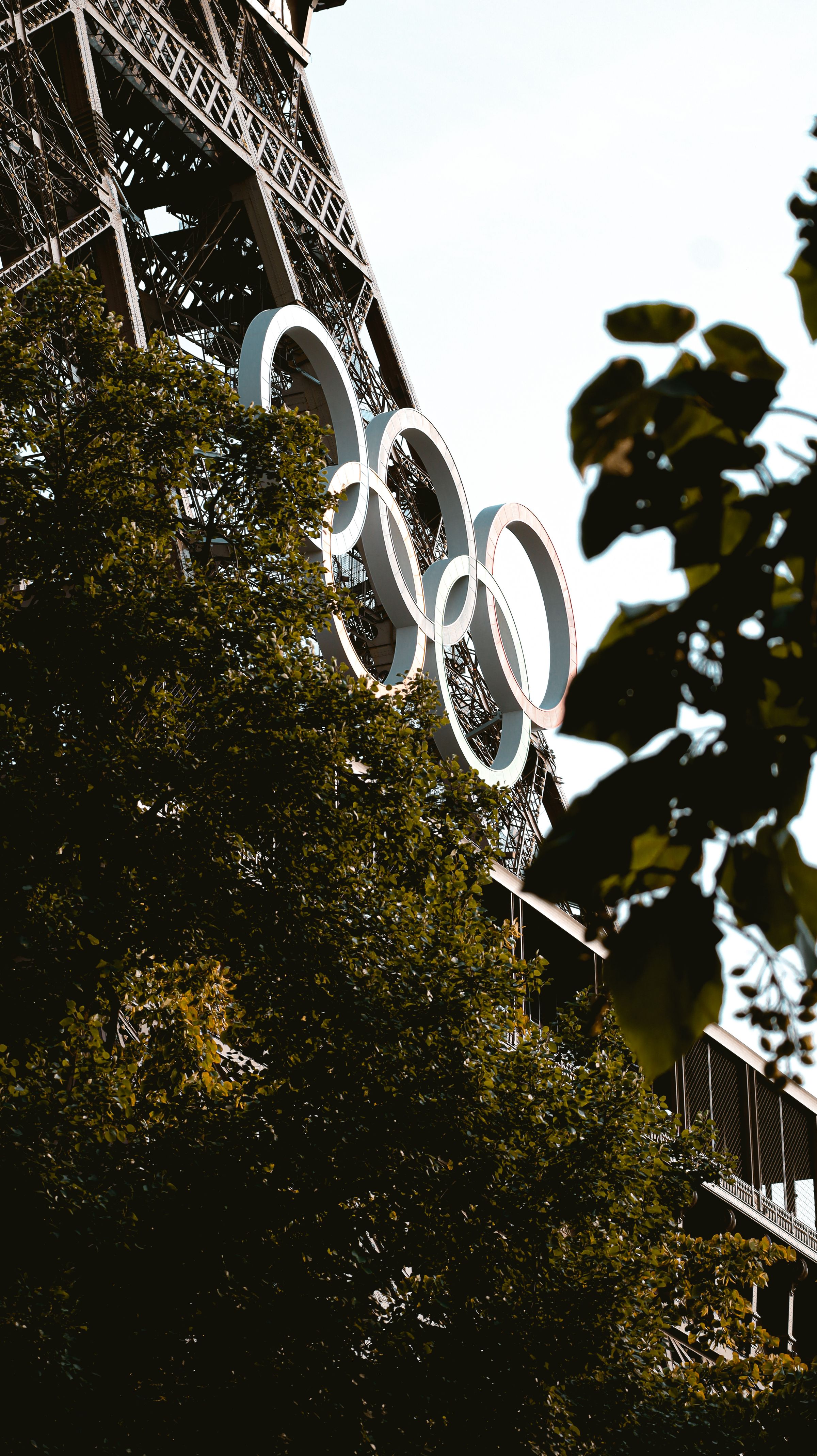
Durban's Olympic dream: what hosting could mean for the city
Veteran IOC member weighs civic benefits and accountability of a Durban bid
For the people of Durban, the prospect of hosting the Olympic Games is not just about sport. It is about what a global event could mean for daily life in the city, for public facilities, and for how public money is spent. That is the view emerging from Sam Ramsamy, the 88-year-old International Olympic Committee member who has attended every Olympic Games since 1972 and now hopes to see Africa host the showpiece for the first time.
Ramsamy was speaking to SABC Sport after SASCOC unveiled Durban as South Africa’s preferred host city for the 2036 or 2040 Olympic Games. Born in Durban, he is backing his hometown to secure the hosting rights, believing the city’s vibrant culture makes it a strong candidate.
His long view of the Games carries a warning as well as an endorsement, particularly on the question of public funds. “We must make sure that when we host, we use all of the money dedicated for construction and development and that the money doesn’t go into someone’s back pocket,” he said. For citizens, that accountability is the difference between an event that leaves lasting public benefit and one that does not.
He also hopes South Africa can draw lessons from previous hosts and use existing facilities to deliver a successful Games, an approach that speaks directly to concerns about cost. Having witnessed several Olympics across more than five decades, he has watched the cost of hosting change over the years.
Of all the Games he has attended, 1984 Los Angeles stands out. He was particularly impressed by the swimming centre and believes it could serve as a model for Durban should the bid succeed. “The 1984 Olympic Games was something special. They had a 50m swimming pool and 10 000 people witnessed many records being broken,” he recalled.
His memories reach back to a darker moment as well. “The first games was a very devastating games when there was that attack that took place against Israeli athletes so it was very trying back then, but over the years at all the different events we learned something new and we now know what to do and what not to do,” he said.
That accumulated experience, Ramsamy suggests, is what South Africa can now draw on. For the public, the measure of a Durban Games would be whether the lessons of five decades translate into facilities and development that serve ordinary citizens long after the closing ceremony.
Q&A
Who is Sam Ramsamy and why is his view significant?
He is an 88-year-old International Olympic Committee member, born in Durban, who has attended every Olympic Games since 1972, giving him more than five decades of perspective on hosting.
What is Durban's current status in the Olympic bid process?
SASCOC has unveiled Durban as South Africa's preferred host city for the 2036 or 2040 Olympic Games.
What warning does Ramsamy give about public money?
He insists that money dedicated for construction and development must be used for its intended purpose and not end up in someone's back pocket, since accountability determines whether the Games leave lasting public benefit.
What past example does Ramsamy highlight as a model?
The 1984 Los Angeles Games, whose swimming centre with a 50m pool he was impressed by, and where 10 000 people witnessed many records being broken.