Ramaphosa Weekly: Border Management, Safety and Growth Marked as Delivery Priorities
Ramaphosa's newsletter frames border control, safety and growth as operational obligations, not just commemoration.
Border management gets a direct mention in President Cyril Ramaphosa’s latest weekly newsletter, published on gov.za under the headline “Our constitutional values are part of our common heritage.” So does public safety. So does economic growth. Between the commemorative language marking Heritage Day, the letter sets out where government carries operational obligations, and where delivery has fallen short of the values it claims to uphold.
Ramaphosa wrote shortly after the national holiday, describing social media over the past week as filled with images of black, white, Indian and Coloured South Africans displaying cultural traditions and taking part in each other’s customs. He framed this coexistence as the product of a specific choice made three decades ago, not something guaranteed to continue on its own. “In 1994, the South African people made a historic choice,” he wrote, pointing to the decision to confront past injustices while committing to build a new nation together. The Constitution, in his framing, is the delivery vehicle for values like non-racialism, non-sexism, equality, democracy and human dignity.
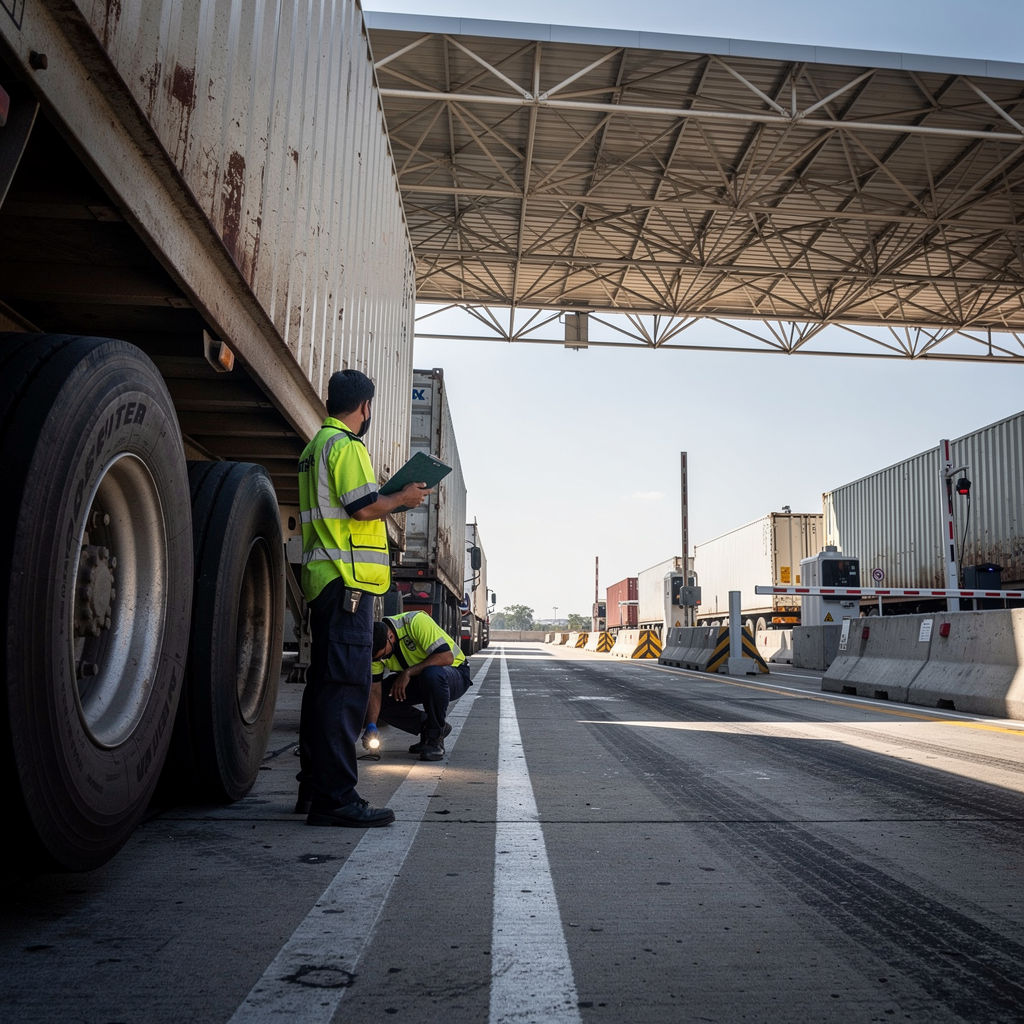
What changed in the letter’s second half is the shift from commemoration to accountability. Ramaphosa named three areas where the state has direct operational responsibility: managing the country’s borders, maintaining public safety and growing the economy. On migration specifically, he said movement must happen within the law and that government is responsible for managing borders effectively. Everyone living in South Africa, he added, must respect its laws. He rejected xenophobia outright, however, recalling that African nations gave moral and material support to the liberation struggle and to South Africa’s democracy.
Violence against women came up as the clearest test of whether constitutional guarantees produce real-world security. Ramaphosa called the abuse, rape and killing of women a stain on the national conscience. A society founded on freedom and equality cannot claim that identity, he argued, while half its population lives in fear. “We cannot allow violence against women to define who we are,” he wrote.
He tied this to a broader point about speech and consequence. Freedom of expression is constitutionally protected, he acknowledged, but it carries responsibility. Public humiliation of women, he said, is not harmless in a country where women already fear daily abuse and killing, because it reinforces the attitudes sustaining violence. He applied the same logic to language glorifying killing amid high levels of violent crime, and to inflammatory statements about foreign nationals amid social tensions over undocumented migration.
Economic delivery formed the next thread. With unemployment high, Ramaphosa wrote that South Africa needs growth and investment. He criticized, without naming individuals, travel to foreign capitals to promote what he called the falsehood of a “white genocide” and to discourage investment at home, calling that behavior neither responsible nor patriotic.
Redress policy occupied a substantial part of the letter. Ramaphosa rejected any moral equivalence between redress measures and discrimination, distinguishing constitutionally grounded steps to address racial exclusion from apartheid-era laws built to enforce dispossession and inequality. Racism, he said, will never define the country, and South Africans are determined not to return to apartheid-era division.
He closed by warning against forces seeking to divide South Africans, cautioning that words and actions which polarize communities or reopen old wounds threaten a social fabric everyone has a duty to maintain. The 1994 choice, and the Constitution that followed, has to be renewed daily, in word and deed, he wrote. Whether border management, public safety measures and economic growth plans can actually deliver on that renewal, rather than simply restate it, remains the open question the letter does not answer.
Q&A
What three operational areas did Ramaphosa name as direct state responsibilities?
Border management, public safety and economic growth.
What does Ramaphosa identify as the delivery vehicle for South Africa's constitutional values?
The Constitution, which he described as the delivery vehicle for values like non-racialism, non-sexism, equality, democracy and human dignity.
What specific public safety issue did Ramaphosa highlight as the clearest test of constitutional guarantees?
Abuse, rape and killing of women, which he called a stain on the national conscience.
How did Ramaphosa characterize the relationship between redress policy and discrimination?
He rejected any moral equivalence, distinguishing constitutionally grounded redress from apartheid-era laws built to enforce dispossession and inequality.