CAF closes Cabo Verde summit with 2030 accountability pledge
CAF ties Africa's record 2026 World Cup showing to measurable delivery by 2030
CAF’s landmark Strategy Conference closed in Santa Maria on Sal Island, Cabo Verde on Friday, with the confederation’s leadership framing the three-day gathering as a test of whether Africa’s record 2026 World Cup showing can be converted into accountable, measurable progress towards 2030.
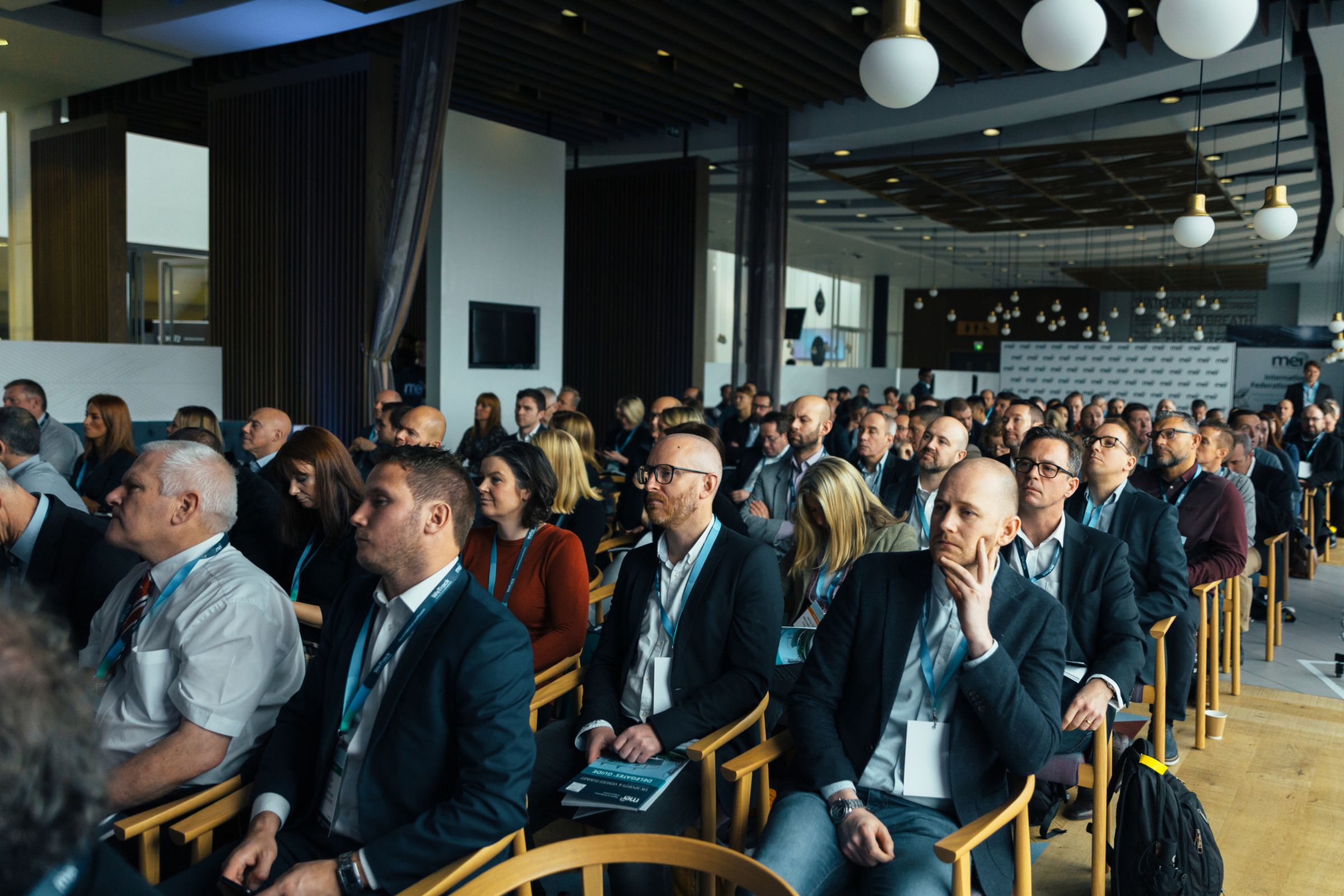
The Conference, convened under CAF President Dr Patrice Motsepe, brought together presidents and senior officials from all 54 Member Associations, national team coaches, technical leaders and international football experts. Its mandate was explicitly institutional: to combine football development, strategic planning and a detailed review of Africa’s performances at the expanded 2026 tournament, in which a record 10 African countries took part and nine advanced from the group stage.
Accountability sat at the centre of Motsepe’s address to delegates. Ambition without delivery would not suffice, he warned repeatedly. “There is a big gap between good plans, good intentions and what we do practically in terms of investments and results. We are judged by results,” he said. He also set a clear ultimate target: “We have to win the World Cup. We are going to win the World Cup. One of the nations from Africa will win the World Cup.”
CAF said a key objective of the Conference was to make football in each of its 54 Member Associations world-class and self-sustaining, while continuing to raise the quality and global competitiveness of its competitions. Discussions covered increased investment in Member Associations, football development, coaching, youth structures, administration, and stronger commercial and broadcasting partnerships.
FIFA President Gianni Infantino, among the leading figures to address the gathering alongside Cabo Verde Head of State Dr Janira Hopffer Almada, framed Africa’s rise in statistical terms. No African team progressed from the group stage in 2018, he noted, compared with nine out of 10 in 2026, a transformation he linked to work being done across the continent. He urged continued investment in opportunity and infrastructure, saying African talent was already shaping world football and needed better pathways to flourish globally. His message was direct: “The road to 2030 begins now.”
The final day shifted towards technical scrutiny. FIFA Chief of Global Football Development Arsène Wenger joined coaches and analysts to examine Africa’s 2026 performances in detail, including tactical organisation, chance creation, counter-pressing, transitions and late-game management. The clearest improvement, Wenger said, was organisational. “In the past, African teams sometimes lost because of a lack of compactness, too much distance between the lines and inconsistent concentration,” he said. “At this World Cup, it was difficult to beat any African team because the discipline and organisation were at the top level.” He cautioned, however, that the remaining margins were small: “We are very close, but a small percentage can cost you the game. Most of these games were lost by one goal, so every detail in the modern game becomes absolutely vital.”
Meanwhile, coaches who worked with African teams at the World Cup contributed practical experience, among them Bubista, Emerse Fae, Mohamed Ouahbi and Sébastien Desabre. Their input moved the discussion from statistics to preparation, international window management, tactical adaptation and the pressures of tournament football. Bubista, who led Cabo Verde through its historic debut campaign, stressed flexibility: “We cannot think about only one strategy. We have to have more than one strategy, one when we don’t have the ball, another when we have the ball, and another when we cannot attack quickly.”
The host country carried symbolic weight in the governance narrative. CAF had cited Cabo Verde’s 2026 campaign, which saw the debutants reach the group stage’s knockout phase before a 3-2 extra-time defeat to Argentina, as a reason for selecting it as host. Dr Hopffer Almada used the country’s journey to argue that talent alone is insufficient without structure, organisation and trust in African expertise.
The Conference thus closed as it began, with development discussions giving way to a shared institutional task: converting record participation and deeper tournament runs into stronger systems, better preparation and sustainable football structures across all 54 Member Associations, with 2030 as the deadline for delivery. Whether the confederation’s plans survive contact with that deadline is the question now hanging over the road ahead.
Q&A
Where and when did the CAF Strategy Conference take place?
It was a three-day gathering that closed on Friday in Santa Maria on Sal Island, Cabo Verde.
What accountability message did CAF President Dr Patrice Motsepe deliver?
He warned that ambition without delivery would not suffice, saying there is a big gap between good plans and practical investments and results, that CAF is judged by results, and that an African nation will win the World Cup.
What did FIFA President Gianni Infantino tell delegates?
He contrasted 2018, when no African team progressed from the group stage, with 2026, when nine of 10 advanced, urged continued investment in opportunity and infrastructure, and said the road to 2030 begins now.
What technical findings were presented on the final day?
FIFA Chief of Global Football Development Arsène Wenger and coaches including Bubista, Emerse Fae, Mohamed Ouahbi and Sébastien Desabre reviewed tactical organisation, chance creation, counter-pressing, transitions and late-game management, noting improved discipline but small remaining margins, with most games lost by one goal.