French firms deliver on the ground: trains, water and malt plants anchor SA operations
Running programmes in rail, water and malting show how Franco-SA cooperation translates into working assets
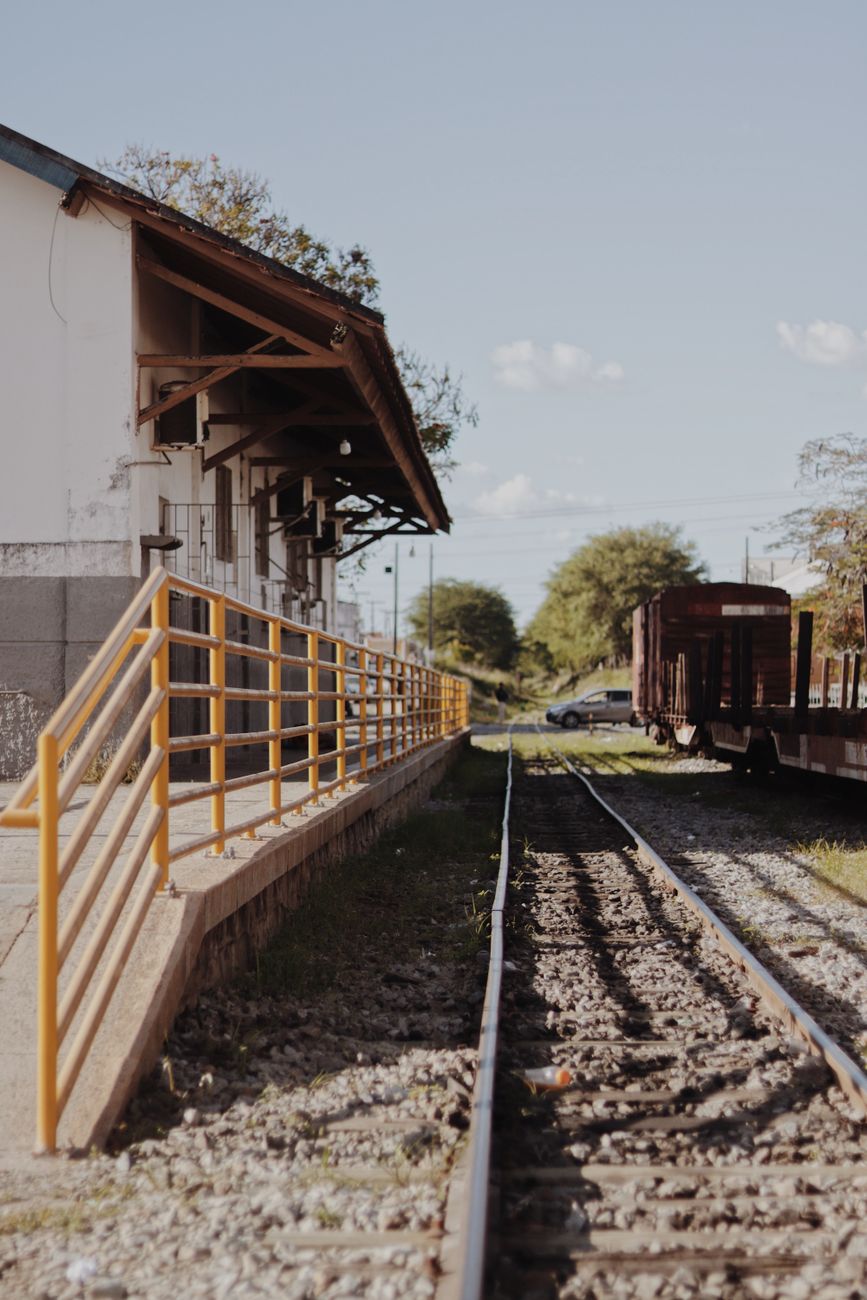
Gibela Rail is manufacturing 600 commuter trains for the Passenger Rail Agency of South Africa, running that programme through a substantial local industrial base. Veolia is operating the Durban Water Recycling Project with the eThekwini municipality. Soufflet Malt began production earlier this year at a R2-billion malting facility in Midvaal, Gauteng, a plant expected to produce about 100 000 t/y of malt sourced entirely from local barley growers.
These are the operations already running on the ground, and they formed the backdrop to the fifth France-South Africa Business Forum, held in Sandton on September 29. There, French companies signalled plans to deepen investment as South Africa pushes reforms meant to fix the operational performance of state-owned enterprises like Eskom and Transnet.
Benjamin Cabouat, interim ambassador at the Embassy of France to South Africa, Lesotho and Malawi, laid out the practical support France is providing. On logistics, Transnet has opened its network to private operators, and France is backing that shift at an institutional level. A few months ago, Transnet signed a €300-million (R5.8-billion) agreement with France’s Agence française de développement to support its transition to a low-carbon operating model. “The objective is to help make the country’s logistic system more efficient, resilient and sustainable,” Cabouat said.
Water infrastructure delivery follows the same pattern. French companies are providing skills in wastewater treatment, reuse, leak detection, network management and industrial water efficiency. The Durban Water Recycling Project, Cabouat noted, means less pressure on drinking water resources, less wastewater discharged to the environment, and a reliable water source for local investments in practice.
Cabouat stressed investment that builds productive capacity locally: training workers, developing suppliers, connecting South African companies to bigger markets. He mapped out the next phase of work bluntly. Move from renewable-energy generation to the transmission infrastructure needed to connect it. Turn rail reform gains into globally competitive freight corridors. Convert water technology into bankable infrastructure projects. Process more critical minerals locally. Build stronger regional supply chains. All of it, he said, while ensuring new investments generate skills, suppliers, technology and jobs.
On the South African side, Planning, Monitoring and Evaluation Minister Maropene Ramokgopa used her keynote to argue that implementation progress must now translate into inclusive growth. She pointed to reduced loadshedding as evidence reforms are delivering, and said government and business partners must ensure that growth reaches everyone. The country’s development agenda runs on the National Development Plan and the Medium Term Development Plan.
“Our priorities are very clear. We want to drive inclusive growth, as well as create jobs. We want to reduce poverty and tackle the high cost of living, and we also want to build a capable, ethical and developmental State . . . Without a capable State, we will not be able to create an enabling environment for businesses and industries to thrive,” she said. Ramokgopa framed these priorities as interconnected: poverty and inequality cannot be tackled without economic growth and job creation, and growth cannot hold without reliable infrastructure, investment and productive industries, which in turn need a capable State to coordinate and implement.
She cited France’s own reform experience as expertise South Africa could draw on and adapt. Her focus areas: accelerating growth and industrialisation, improving infrastructure delivery, strengthening governance and public institutions, digitising service delivery, expanding employment (including skills development for young people), and advancing a just transition to a low-carbon, climate-resilient economy.
The scale of the existing French footprint is substantial. More than 480 French companies and subsidiaries operate in South Africa, representing about €4.3-billion in French foreign direct investment stock and employing over 65 000 people across energy, transport, logistics, manufacturing, pharmaceuticals and financial services. At the sixth South African Investment Conference in Johannesburg in March, 30 French companies announced R20.7-billion in new investment commitments, the largest such commitment by any single country at this year’s conference, according to Cabouat. Since 2019, French companies have announced about R166-billion of investment in the country. Over the past two years, they have trained nearly 25 000 South African workers.
Energy delivery presents a particular opportunity, Cabouat said, as the country rolls out its Transmission Development Plan. That creates openings for energy producers, financiers, engineering companies, equipment manufacturers and technology providers, an ecosystem French companies are “deeply involved” in.
Standard Bank Group Business and Commercial Banking international trade head Luthando Vuba said the relationship has grown into a broad-based economic partnership spanning trade, investment, industrial development and innovation. French businesses play an important role in sectors critical to South Africa’s growth plans, he said, while South African firms increasingly look outward to international markets. Energy, infrastructure, manufacturing, logistics, skills development, technology and innovation are the sectors expected to anchor future collaboration.
Cabouat also flagged the regional angle: for many French companies, Johannesburg already functions as headquarters for operations across Southern Africa, given the country’s industrial base, financial markets, logistics infrastructure and cross-border networks. As the African Continental Free Trade Area Agreement moves toward implementation, South Africa could increasingly serve as an industrial platform for firms targeting the wider continent.
Q&A
Which French-run operations are currently active on the ground in South Africa?
Gibela Rail is manufacturing 600 commuter trains for the Passenger Rail Agency of South Africa via a large local industrial base; Veolia operates the Durban Water Recycling Project with the eThekwini municipality; and Souflet Malt began production early this year at a R2-billion malting plant in Midvaal, Gauteng, expected to produce about 100 000 t/y of malt from entirely local barley.
What logistical support is France providing to improve delivery systems?
France backs Transnet's opening of its network to private operators at an institutional level, and Transnet recently signed a €300-million (R5.8-billion) agreement with France's Agence française de développement to support its transition to a low-carbon operating model intended to make the country's logistics system more efficient, resilient and sustainable.
How does the Durban Water Recycling Project affect actual service delivery?
According to Benjamin Cabouat, the project puts less pressure on drinking-water resources, results in less wastewater discharged to the environment, and delivers a reliable water source for local investments in practice. French companies additionally provide skills in wastewater treatment, reuse, leak detection, network management and industrial water efficiency.
What did Minister Maropene Ramokgopa say about translating implementation into broader outcomes?
She argued implementation progress must now translate into inclusive growth, pointing to reduced loadshedding as proof reforms are delivering. Priorities include driving inclusive growth, creating jobs, reducing poverty, tackling the high cost of living and building a capable, ethical and developmental State, since growth requires reliable infrastructure, investment and productive industries that a capable State coordinates.